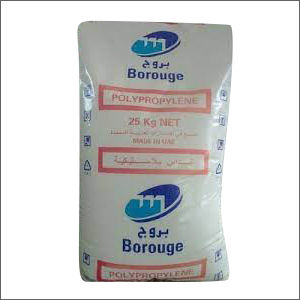
About 25Kg Polypropylene Polymers
Polypropylene (PP) is a thermoplastic polymer made from the monomer propylene. It is a versatile material that is commonly used in a wide range of applications due to its excellent properties such as high melting point, high chemical resistance, and low moisture absorption.
Polypropylene is commonly used to make a variety of products, including:
Packaging materials - Polypropylene is used to make food packaging, plastic bags, and containers. It is an excellent material for packaging because it is lightweight, strong, and has good barrier properties.
Fibers - Polypropylene fibers are used to make a variety of textiles, including carpeting, upholstery, and clothing. It is a popular material for these applications because it is lightweight, durable, and can be easily dyed.
Automotive parts - Polypropylene is used to make a variety of automotive parts, including bumpers, fenders, and dashboards. It is a popular material for these applications because it is lightweight, strong, and resistant to impact.
Medical equipment - Polypropylene is used to make a variety of medical equipment, including syringes, surgical instruments, and implants. It is a popular material for these applications because it is non-toxic, non-reactive, and can be sterilized easily.
Stationery - Polypropylene is used to make a variety of stationery products, including folders, binders, and dividers. It is a popular material for these applications because it is lightweight, durable, and resistant to water.
Superior Mechanical and Chemical PropertiesPolypropylene polymers deliver excellent tensile strength (25-35 MPa) and elongation at break (200-700%), offering flexibility and durability crucial for critical applications. Their high flexural modulus and impact resistance ensure reliable structural integrity even under stress. Exceptional acid and alkali resistance, alongside minimal water absorption, further boost their suitability for environments where chemical stability is mandatory.
Optimized for Processing and Versatile ApplicationsWith a variable melt flow index (2-30 g/10 min), PP granules adapt easily to diverse manufacturing techniques such as injection molding, extrusion, and thermoforming. Their neutral pH, odorless nature, and consistent molecular characteristics enable seamless integration into packaging, automotive, household goods, and textiles, ensuring safe and effective final products.
Safe Storage and Sustainable SolutionPolypropylene pellets should be stored in a cool, dry place, out of direct sunlight, to retain material quality. With an indefinite shelf life under proper conditions and clear recyclability (Code 5), these polymers present an environmentally responsible choice, helping businesses lower their ecological footprint and increase sustainability.
FAQ's of 25Kg Polypropylene Polymers:
Q: How should 25Kg Polypropylene Polymer pellets be stored to preserve their quality?
A: To maintain optimal material integrity, store the PP pellets in a cool, dry place away from direct sunlight. Avoid exposure to moisture to keep the water absorption levels low and preserve the indefinite shelf life.
Q: What industrial processes are suitable for using these Polypropylene granules?
A: These PP granules are suitable for injection molding, extrusion, and thermoforming, thanks to their variable melt flow index and consistent physical properties, making them adaptable to various production requirements.
Q: When is it beneficial to select Polypropylene Polymer over other plastics?
A: Polypropylene is advantageous when high tensile strength, excellent chemical resistance, low moisture absorption, and recyclability are priorities. It excels in applications requiring durability and flexibility, such as automotive components, packaging, and household goods.
Q: Where are 25Kg Polypropylene Polymers commonly supplied from in India?
A: Polypropylene polymers are typically sourced from established manufacturers and authorized suppliers in India, ensuring material authenticity and quality for industrial and commercial users.
Q: What makes the usage of Polypropylene Polymer environmentally friendly?
A: PP polymers are recyclable under Code 5, reducing plastic waste and supporting sustainability initiatives. Their indefinite shelf life and lower water absorption also mean less resource wastage during storage and use.
Q: How does melt flow index variation affect processing of Polypropylene?
A: The melt flow index (2-30 g/10 min) determines the polymer's fluidity during melting. A higher MFI allows easier molding into intricate shapes, while a lower MFI provides more structural strength for robust components.
Q: Is Polypropylene Polymer safe for contact with chemicals and foods?
A: Yes, PP exhibits excellent resistance to acids, alkalis, and organic solvents, and its odorless, neutral pH properties make it suitable for food packaging and chemical containers safe for human use.







 Send Inquiry

 Send Inquiry